Blog #5 Discourse Community Proposal
Photo by hhdunion (@hiphopdiscourse)
Discourse Community Proposal – Hip Hop Culture
I’m sticking with the hip-hop community for my discourse. It’s the culture that’s shaped my life and how I communicate. Hip-hop as a discourse community brings about its own unique language, culture, values, and ways of communicating that anyone can learn by participating. People in hip-hop don’t just listen to music, we speak a whole different language. Whether it’s in lyrics, fashion, slang, visuals, or just being a fan like myself, our participation is communication.
What makes hip-hop a discourse community?
1.We have common goals like self-expression, telling the truth as we see it, and building the community.
2.We have unique communication practices like freestyle battles, remix culture, and breakdancing.
3.We share a distinct language to include slang, hand signs, and graffiti tags.
4.Newcomers learn by observing, listening, and participating in conversations.
Key Documents in the Hip-Hop Community
Here are three types of documents and communication forms you’ll find in the hip-hop community.
1.Lyrical Breakdowns
a.When rappers write and perform lyrics, they’re packed with slang, metaphors, and double (and even triple) entendres. You can find lyric break downs on sites like Genius.
b.Example: Kendrick Lamar’s “DNA” lyrical Breakdown.
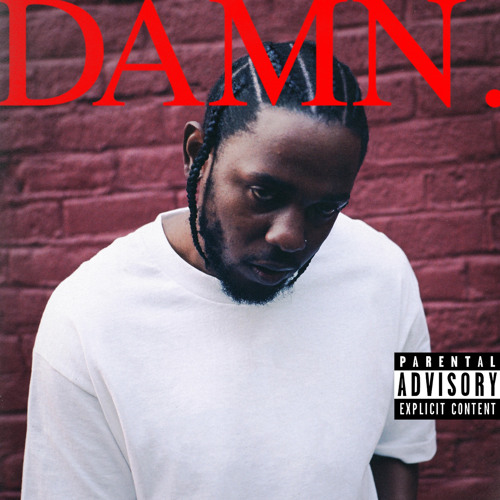
Kendrick Lamar. Damn Cover. Top Dawg Entertainment and Interscope Records
2.Interviews and Podcasts
a.Conversations between hip-hop artists are documented on platforms like Drink Champs and The Breakfast Club. On those platforms, hip-hop artists discuss their creative processes, beefs, and social issues.
3.Graffiti Art & Murals
a.Street art is another visual document of the hip-hop culture. Pieces tagged on walls convey representation, social commentary, and artists signatures. Pages like @graffitiart on Instagram document this worldwide.
Original Documents Created by the Community
My favorite documents created by the community are mixtapes and self-published albums. Many artists release their music independently on SoundCloud and Bandcamp. SoundCloud is how the majority of popular hip-hop artists came about from 2015 to 2018. They would put out their music independently and get popular enough to crossover to mainstream.
Other original documents are freestyle battles on YouTube/TikTok. Artists record themselves freestyling and showcasing their skills over beats.
Where Does This Communication Happen?
Communication happens on music streaming platforms like Spotify and Apple Music, on hip-hop podcasts and YouTube channels, on social media posts from Instagram, TikTok, and Twitter, and outside on the streets.
Rap Carvier Playlist, Spotify.
What I want to Understand About Hip-Hop’s Language and Values
For the rest of this class, I want to keep myself situated on how language evolves in hip-hop and what it says about its value. I would like to know why some slang words spread worldwide while other stay local. I would like to know how artists decide when to be political, personal, or fun. I’m also curious about how the community keeps its people accountable. Who gets called out for being fake and who gets respect?
Lastly, I would like to explore how social media has changed the conversation. What really happens when battles and debates happen on Instagram Live instead of in-person battles or songs?
Hip hop is a conversation that is always evolving. I’m truly excited to dig deeper to see how it all works out.
.jpg)


Comments
Post a Comment